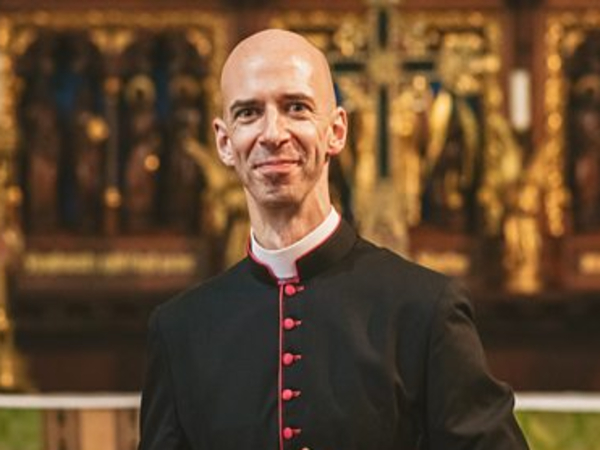
Sion Rhys Evans is a former senior figure within the Church in Wales whose rapid rise from diocesan administrator to Sub-Dean of Bangor Cathedral brought both influence and scrutiny. Known for holding significant administrative and clerical authority, his career later became associated with controversies involving governance, financial oversight, safeguarding culture, and accountability. His departure marked a turning point, sparking broader conversations about transparency, leadership structure, and reform within modern religious institutions.
Introduction
The story of Sion Rhys Evans is one that reflects both opportunity and caution within contemporary church leadership. His name became widely recognized not only within the Church in Wales but also among observers of institutional governance and accountability. What began as a promising administrative career evolved into a senior leadership role at one of Wales’ most historic cathedrals. Yet, as his influence grew, so too did questions about how power, responsibility, and oversight were exercised within the institution.
This article explores the life, career, rise, and controversies surrounding Sion Rhys Evans, while also examining the wider implications his story holds for faith-based organizations navigating modern expectations of transparency and ethical leadership.
Early Career and Entry into Church Administration
Sion Rhys Evans did not begin his career in the public eye. His early work was rooted in administration, organization, and the behind-the-scenes management that keeps large institutions functioning. Entering the Church in Wales in an administrative capacity, he quickly demonstrated competence, efficiency, and an understanding of ecclesiastical systems.
His background positioned him as someone who could bridge operational management and spiritual institutions—an increasingly valuable skill as churches faced financial pressures, declining attendance, and complex regulatory demands. These strengths contributed to his growing reputation as a capable and reliable administrator.
Rapid Rise Within the Diocese of Bangor
Evans’ career trajectory was notably swift. Moving from diocesan administration into senior leadership, he became deeply involved in the operational and strategic life of the Diocese of Bangor. His appointment to roles carrying significant authority reflected the trust placed in him by senior leadership.
Eventually, he was named Sub-Dean of Bangor Cathedral, while also retaining major administrative responsibilities. This dual role gave him unusual influence, blending spiritual leadership with financial and managerial oversight. Supporters viewed this as an innovative consolidation of leadership. Critics, however, later questioned whether this structure reduced accountability.
Authority, Influence, and Institutional Trust
Holding both clerical and administrative authority placed Sion Rhys Evans at the center of decision-making. He became involved in budgeting, staffing, cathedral operations, and strategic planning. Such trust suggested that he was viewed not merely as an employee, but as a key architect of the cathedral’s future direction.
This concentration of responsibility can be efficient in stable environments. However, it also increases risk when checks and balances are limited. Over time, concerns began to surface about whether governance frameworks were sufficient to monitor decisions made under this structure.
Governance and Financial Oversight Concerns
One of the central issues linked to Evans’ tenure involved governance and financial management. Questions were raised about spending practices, approval processes, and whether appropriate oversight mechanisms were consistently applied.
While religious institutions often rely on trust and tradition, modern expectations demand transparency comparable to other large organizations. Critics argued that governance systems had not evolved quickly enough to reflect the scale and complexity of cathedral operations. Evans’ case became emblematic of these broader institutional challenges rather than an isolated issue.
Safeguarding and Workplace Culture Questions
Beyond finances, safeguarding and internal culture became areas of concern. Safeguarding in religious settings carries profound responsibility, as institutions are expected to protect vulnerable individuals and ensure ethical conduct.
Reports and internal discussions highlighted cultural weaknesses, including unclear reporting lines and insufficient separation between authority figures. Although safeguarding is a collective responsibility, Evans’ senior roles placed him at the center of scrutiny as questions emerged about how effectively these systems were implemented.
Gardening Leave and Departure
As concerns intensified, Sion Rhys Evans was placed on gardening leave, signaling a serious institutional response. Gardening leave typically reflects unresolved issues that require investigation while removing the individual from daily operations.
His eventual departure from his roles marked the end of a significant chapter for Bangor Cathedral. The announcement was followed by broader institutional reflection, reviews, and renewed discussions about leadership structure within the Church in Wales.
Impact on the Church in Wales
The effects of Evans’ departure extended far beyond a single cathedral. His case triggered internal reviews and public conversations about governance, accountability, and reform. Many within the Church began reassessing how leadership roles are structured and how power is distributed.
This moment became an opportunity for institutional learning. By confronting weaknesses exposed during this period, the Church in Wales sought to strengthen systems that ensure transparency, ethical management, and safeguarding excellence.
Broader Lessons on Leadership and Accountability
The story of Sion Rhys Evans highlights a universal lesson applicable beyond religious institutions. Rapid career advancement, while impressive, must be matched with robust oversight. Leadership roles that combine spiritual authority with financial control require particularly careful governance.
Organizations—especially those rooted in tradition—must continually adapt their structures to meet modern standards. Failure to do so risks reputational damage and erosion of trust, regardless of individual intentions.
Public Perception and Media Attention
Public interest in Evans’ career reflected growing societal expectations for transparency. Faith institutions are no longer insulated from scrutiny simply because of their religious mission. Media coverage and public discourse emphasized the need for accountability equal to that expected in corporate or public sectors.
This shift signals a broader cultural change: trust must now be earned and maintained through demonstrable systems, not assumed through position or tradition.
Life After Bangor Cathedral
Following his departure, Evans pursued opportunities outside his former role. While public details of subsequent positions remain limited, his experience underscores the long-term impact such controversies can have on professional reputation.
Regardless of individual outcomes, the institutional consequences of his tenure continue to influence policy discussions and governance reforms within the Church in Wales.
The Role of Institutional Reflection
Importantly, the narrative surrounding Sion Rhys Evans is not solely one of controversy. It is also a story of institutional self-examination. By confronting difficult questions, organizations can emerge stronger, more transparent, and better aligned with their ethical responsibilities.
In this sense, his story has contributed to meaningful conversations that may benefit future generations of church leaders and communities.
Conclusion
Sion Rhys Evans remains a significant figure in recent church history, not simply because of his rapid rise, but because of what his story revealed about leadership, governance, and accountability in modern religious institutions. His career illustrates the complexity of balancing trust, authority, and oversight within faith-based organizations.
While individual narratives may fade, the lessons endure. Transparency, ethical leadership, and robust governance are no longer optional—they are essential. The legacy of this chapter lies not only in controversy, but in the opportunity for reform and renewal that followed.